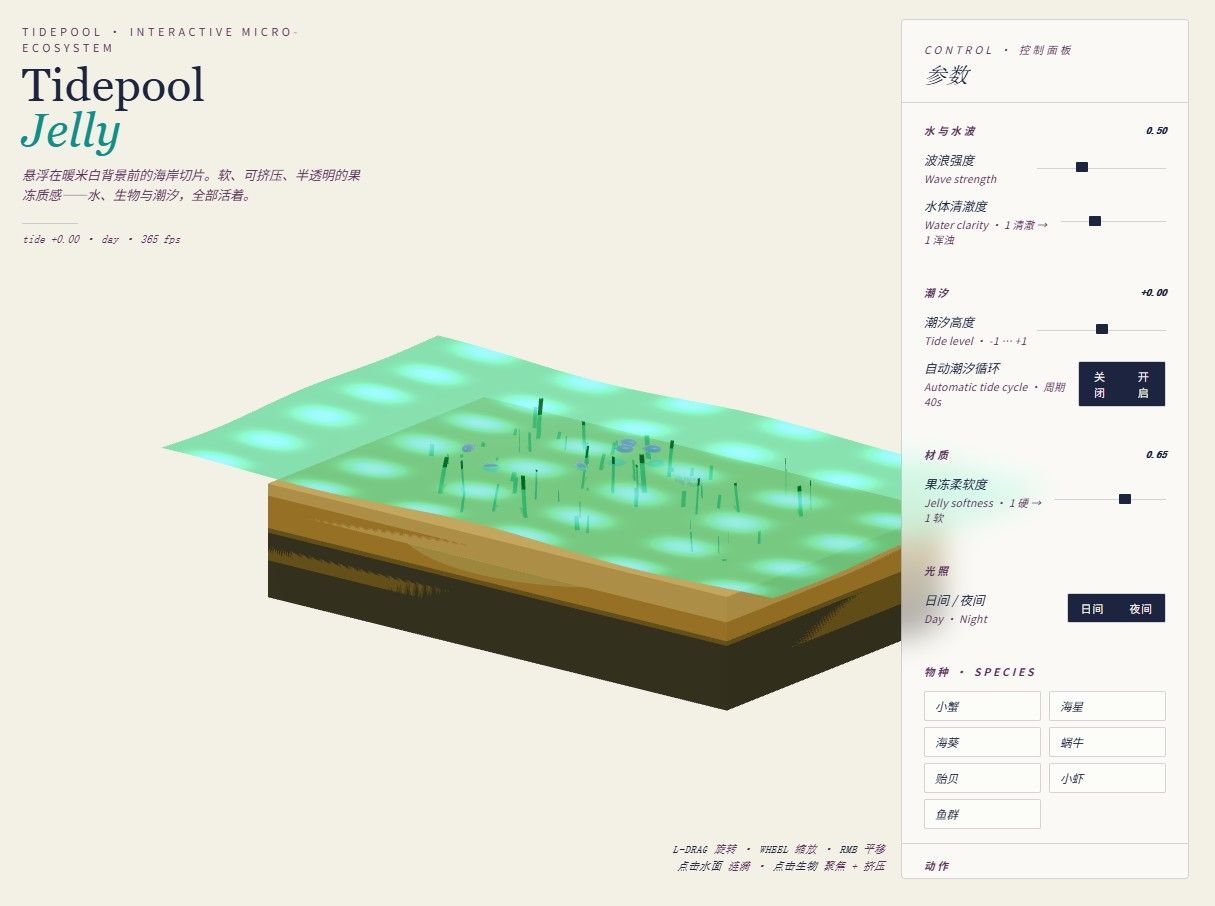
10-11 提示词挑战 :微缩岛屿
-
Create “Tidepool Jelly” - an interactive 3D miniature coastal ecosystem where everything feels soft, squishy, and made of translucent jelly.
Show an elevated, cutaway slice of coastline floating against a warm off-white background. Include layered sand and rock beneath the surface, shallow turquoise water, rocky tide pools, rounded pebbles, seashells, and small patches of coastal greenery. Use an orthographic camera with orbit and zoom controls.
Make the water the star of the scene: convincing waves, spreading ripples, reflections, refraction, underwater caustics, and a wet shoreline. Animate a rising and falling tide that fills and drains the pools. Clicking or dragging through water should create localized ripples that fade naturally.
Populate the pools with animated jelly sea creatures: tiny crabs, starfish, sea anemones, snails, mussels, shrimp, and small fish. Give each species distinct movement and behavior. Crabs scuttle around rocks, anemones sway with the current, snails crawl slowly, and fish swim in loose groups. Their bodies should gently wobble and deform as they move.
Let users click a creature to focus the camera and reveal a compact species card. Allow gentle interactions that trigger a squishy reaction, followed by a smooth return to the original shape.
Add a clean, minimal control panel with:
Tide height and automatic tide cycle.
Wave strength and water clarity.
Jelly softness.
Day and night lighting.
Species visibility toggles.
Pause, reset, and a randomize ecosystem button.
At night, introduce subtle bioluminescence in the water and selected creatures.
Use elegant editorial typography, generous whitespace, and restrained UI styling. Place the “Tidepool Jelly” title in the upper-left corner and controls on the right. The scene should dominate the screen.
Build a fully working browser experience using Three.js and custom shaders where useful. Prioritize beautiful water, believable creature movement, tactile jelly materials, and smooth performance. All controls must work. Avoid static mockups, placeholder assets, and oversized interface elements.
如果有时间测试,请回复: 硬件配置,用的harness,总共时间,个人感受。
我的本地LLM还在写代码,晚点弄完了测试一下。 -
中文版
创建“果冻海屿”(Tidepool Jelly)——一个交互式 3D 微型海岸生态系统,场景中的一切都呈现出柔软、可挤压、半透明果冻般的质感。 展示一块悬浮在温暖米白色背景前的海岸切片(立面剖切视角)。场景中需包含:地表下分层展现的沙土与岩石、浅绿松石色的海水、多岩石的潮池、圆润的鹅卵石、贝壳,以及小块的海岸植被。使用正交相机,并支持轨道旋转和缩放控制。 水是整个场景的主角:需要有令人信服的海浪、扩散的涟漪、反射、折射、水下焦散光效,以及湿润的海岸线。潮汐需要有涨落动画,使潮池随之充盈和排空。用户点击水面或在水中拖动时,应能产生局部涟漪,并自然消退。 在潮池中放入各种动画化的果冻海洋生物:小螃蟹、海星、海葵、蜗牛、贻贝、虾和小鱼。每种生物需具有独特的运动方式和行为模式——螃蟹在岩石间四处横行,海葵随水流摇曳,蜗牛缓慢爬行,鱼类成松散的群体游动。它们的身体在移动时应轻轻地摇摆和变形。 允许用户点击某只生物以聚焦相机,并展示一张紧凑的物种信息卡片。还需支持轻柔的互动——触发一次软弹的挤压反应,随后平滑恢复到原本的形态。 添加一个干净、极简的控制面板,包含以下功能: 潮汐高度与自动潮汐循环 海浪强度与水体清澈度 果冻柔软度 日间与夜间光照 各物种的显示/隐藏开关 暂停、重置,以及“随机生成生态系统”按钮 在夜晚模式下,水中共生物应呈现出微妙的生物荧光效果。 整体采用优雅的编辑排版风格(editorial typography)、充足的留白,以及克制的 UI 样式。“Tidepool Jelly”标题置于左上角,控制面板放在右侧,场景本身应占据屏幕的主体。 请使用 Three.js(在合适处配合自定义着色器)构建一个完全可运行的浏览器体验。优先实现:精美的水体效果、可信的生物运动、富有触感的果冻材质,以及流畅的性能表现。所有控件必须真实可用。禁止使用静态效果图、占位素材或过大体积的界面元素。 -
-
-
-
-
-
muse.ai 5分12秒, 还可以:
-
-
-
-
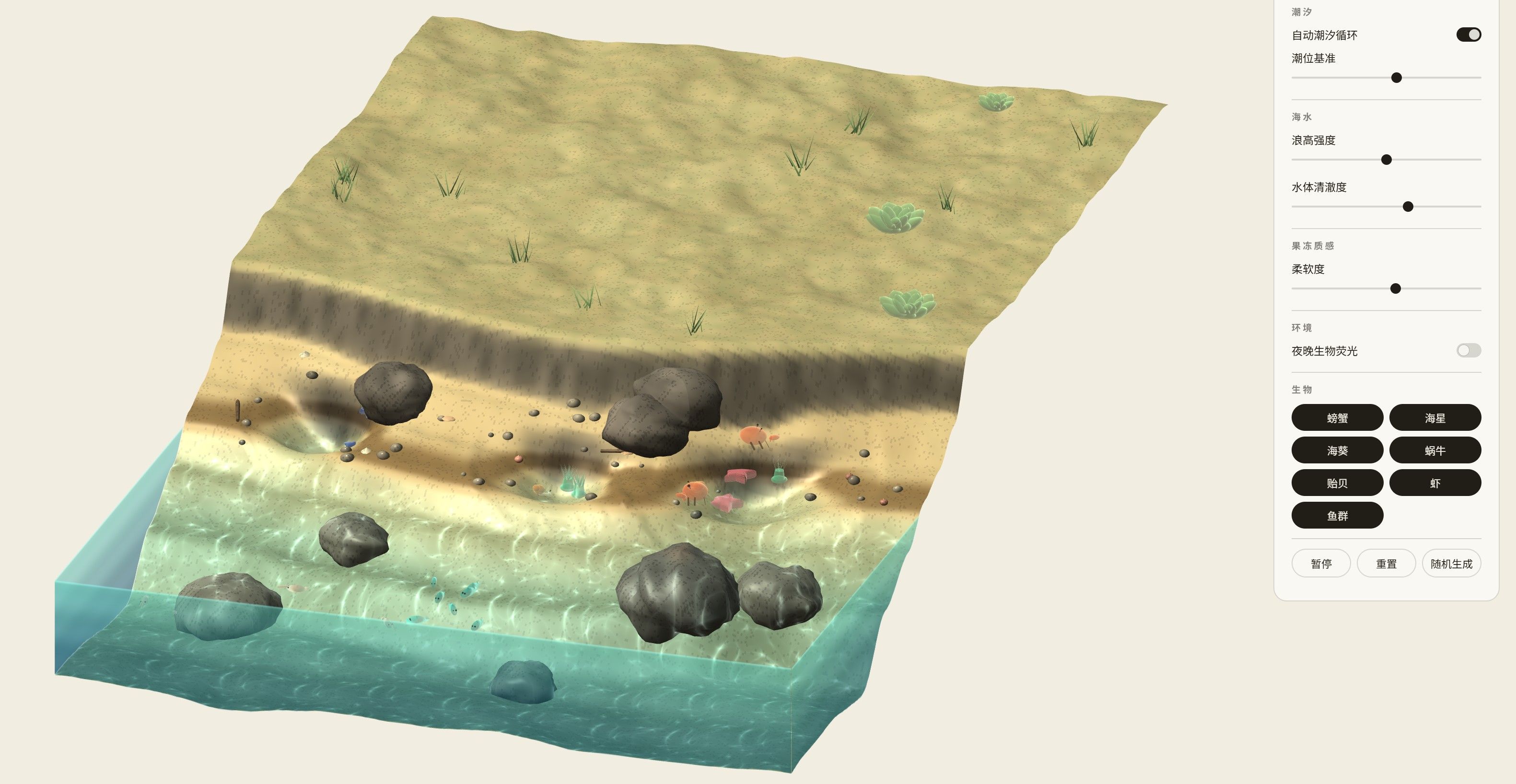
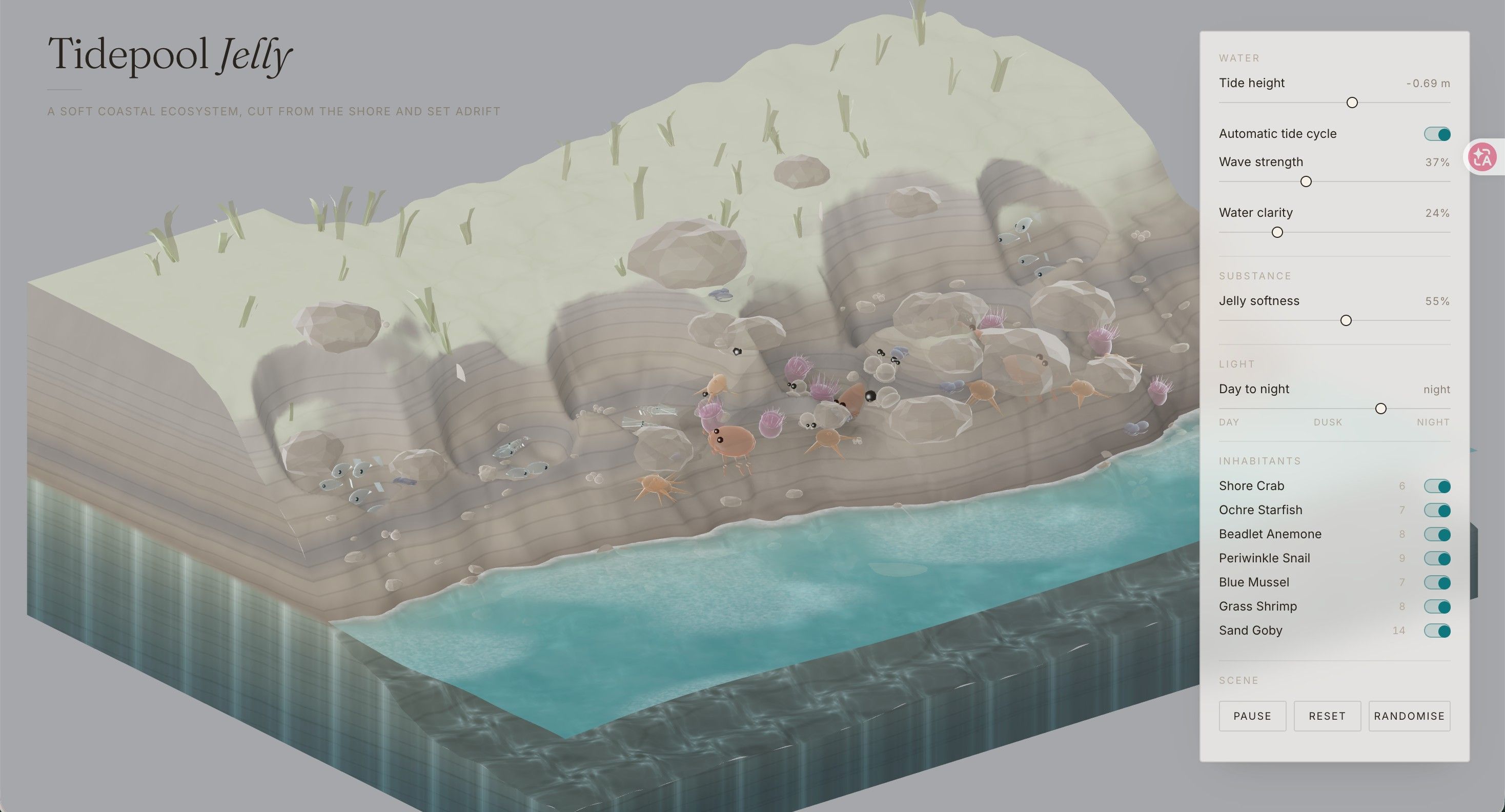
也交一份 Tidepool Jelly 的实际测试记录。最终做成 Three.js + custom shaders 的单文件 HTML,约 1.43 MB,Three.js r170 内联,无 CDN / webfont 依赖。
coding agent / harness
用的是 Codex Desktop,CLI core 0.162.0-alpha.17.2;chat 的 model route 是strata/strata-active,effort = high。Backend 是本机 Strata 跑 Qwen3.8-Flash-Next(SC117 GSQ-RCO-abliterated,IQ3_S),context 262,144 tokens。Codex 负责文件读写、PowerShell / Node checks,以及 in-app browser 的 console 和交互验证。硬件 / 配置
Windows native;AMD Ryzen 7 9700X 8-Core + NVIDIA GeForce RTX 5080。Dashboard 显示约 61 GiB 可用 RAM(当时占用 55.1 GiB),GPU 温度 45°C。采用 GPU expert cache + RAM / 文件分层,截图当时 experts in VRAM 为 4,030 / 7.6 GB,context 使用约 87K / 256K。耗时
按 Codex chat 两轮的 elapsed time:初次实现与 runtime 修复 1小时26分13秒;追加离线单文件交付 33分37秒;合计约 1小时59分51秒。这包含 tool、browser 验证和等待,不是纯 model decode 时间,也不是一次零修改就成功。遇到的 error
初版 Node syntax check 通过,但 browser 内 custom shaders 没有编译成功:vec3/vec4 return type 不匹配、fragment shader 使用 attribute、缺 varying / uniform、vec2 使用 xz.z。后面逐项修复。还调整了 orthographic camera framing、被水色盖住的 cutaway strata、过曝和 night UI。
单文件打包时又遇到 Three.js r174 分包,以及 String.replace 把源码里的 $' 当 replacement pattern 展开而损坏 payload;最终换 r170 self-contained build,并用 function replacer 重建。验证与效果
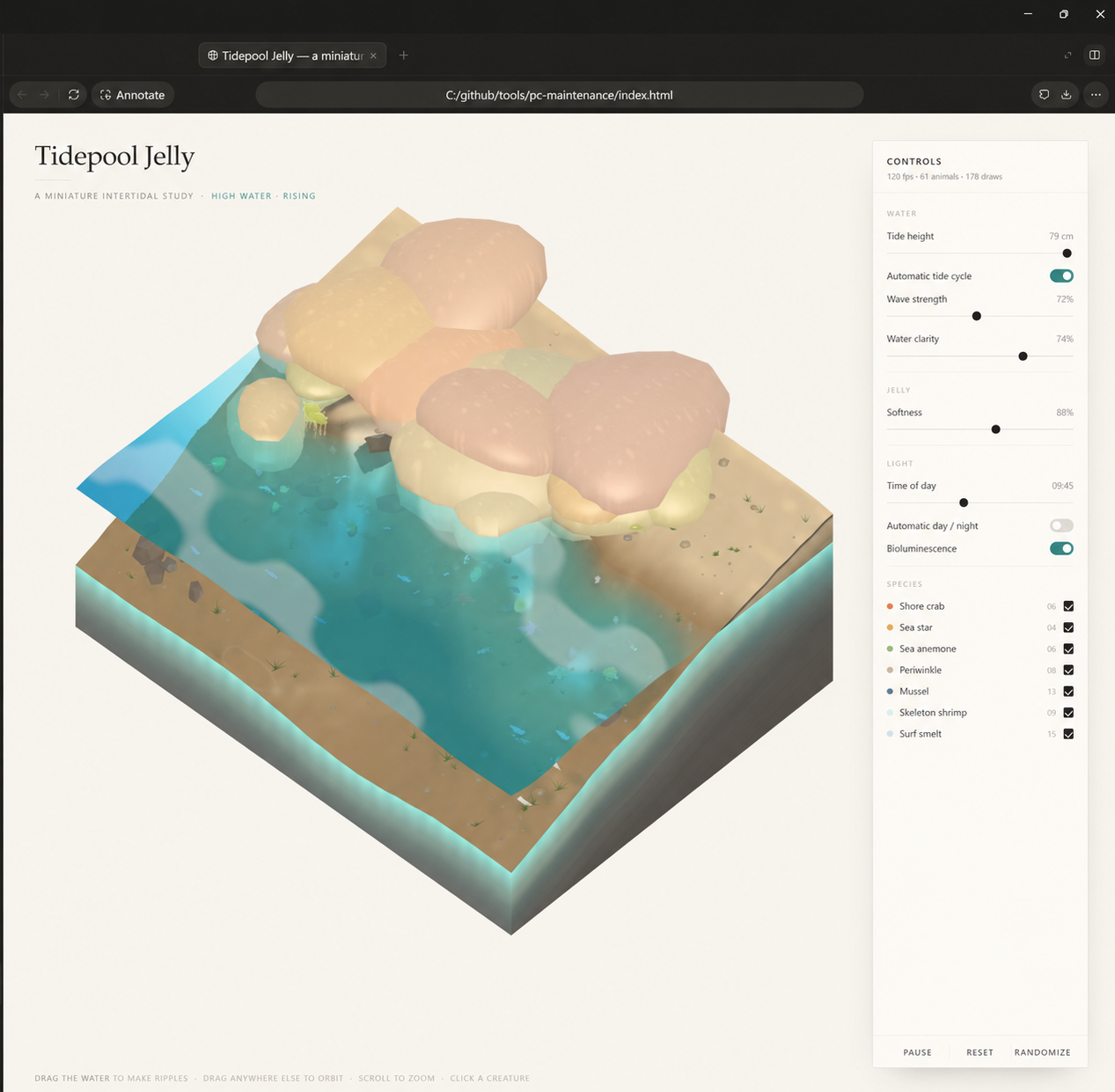
修复后的 browser 测试记录是 console 零 error / warning,HUD 120 fps、61 animals、178 draws(仅这台机器这个 viewport 的观察值)。五个 slider、species visibility、Pause / Resume、Reset、Randomize 和点击 creature 显示 species card 都有交互验证。Randomize 61→62 animals,隐藏一种 species 后 draws 178→148。
离线 HTML 做了静态依赖检查和 Node syntax check;browser 功能测试走 loopback HTTP。Agent browser 不支持 file://,所以不能把它说成 agent 已实测双击离线运行。最后 responsive breakpoint 调整也未再次 browser 复验。个人感受:最终能交付可交互作品,但首版 shader runtime error 和打包返工占了不少时间。单看 syntax check 不足以判断 WebGL 成功,实际 browser console / 交互验证非常必要。
作品截图:
Strata Dashboard:
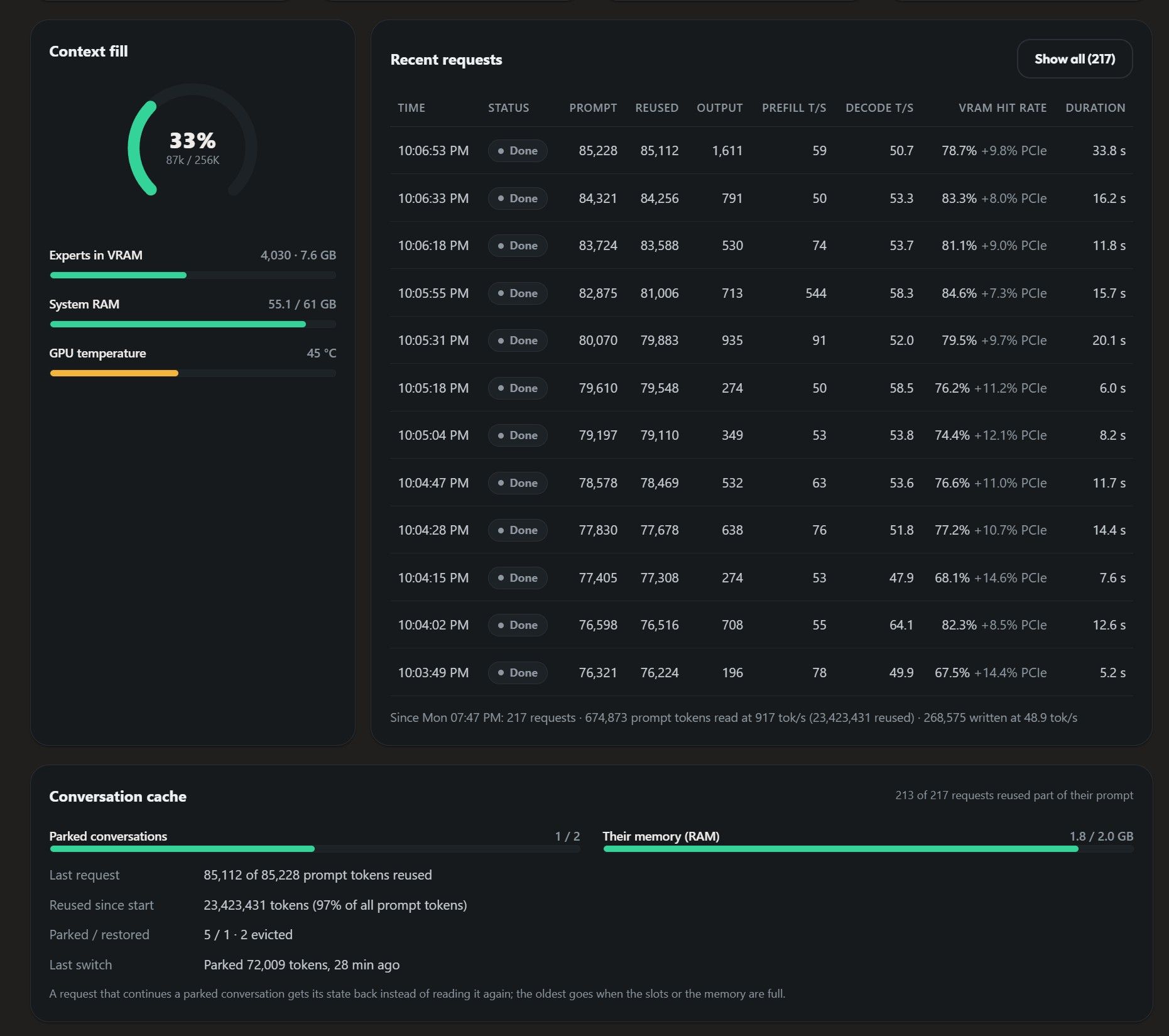
Dashboard 的 217 requests、674,873 fresh prompt tokens、23,423,431 reused tokens、268,575 output tokens 和平均 decode 48.9 tok/s 是 engine 自启动以来的累计统计,包含其他 conversation,不能算成这个作品单独的 token 成本。截图最后一次 request 为 33.8 秒、decode 50.7 tok/s;120 fps 是作品 rendering,和 model tok/s 是两回事。
下载测试
Tidepool Jelly — standalone HTML(约 1.43 MB)
下载并保存为 .html,用支持 WebGL2 的现代 browser 打开即可测试;无需安装依赖或启动 server,Three.js 已内联。若链接直接打开预览,可右键链接选择“链接另存为”。
-
-
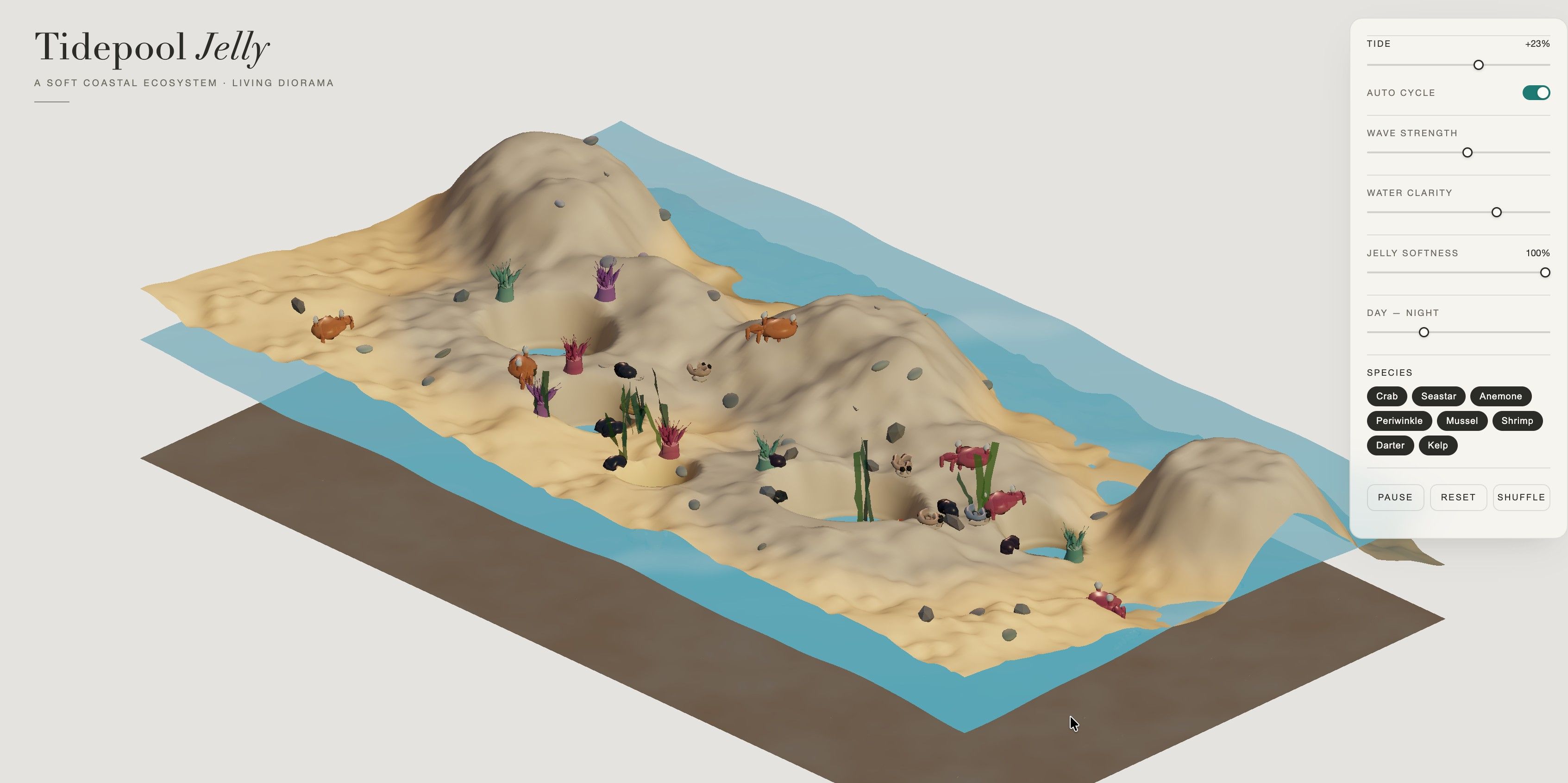
硬件配置:AMD 9965+pro6k,
用的harness: 自製+orcarouter/Qwen3.8-Flash-Next-Uncensored-NVFP4,
总共时间: 大概30分上下.
个人感受: 看agent 驗證段在那玩chrome dev tool挺有趣tidepool-jelly_qwen38_flash_nvfp4.html -
-
-
@gabacool 我的DSH 在后面连续开了3个 google dev tool, 把cpu占满到 100%, 结果吐字变成 1-2tok/s , 根本没法用了, 也不知道该如何阻止这种事情的发生。
@johnnybegood
沒用過DSH, 不過應該都有 rules, hook之類設定, 限制「不準開 dev tool、不準同時開超過一個 chrome 分頁、驗證完關掉」
去問我agent 結果他說他隨開隨關, 最多留一個, 不知誰教他的, 我應該沒放這在context. 另外他的chrome在sandbox裡面, 比較沒直接影響主系統資源. 結果他要我直接給他「執行 JS / 讀 console」tool, 但看他用chrome比較有趣 -
 T terry 于 将此主题固定
-
-
-
-
系统 于 取消固定此主题









 本帖参与讨论人数已达 10+,入选热议,作者 +3 积分奖励,感谢分享!